Who’s who in fruit fly: Dr Rieks Van Klinken
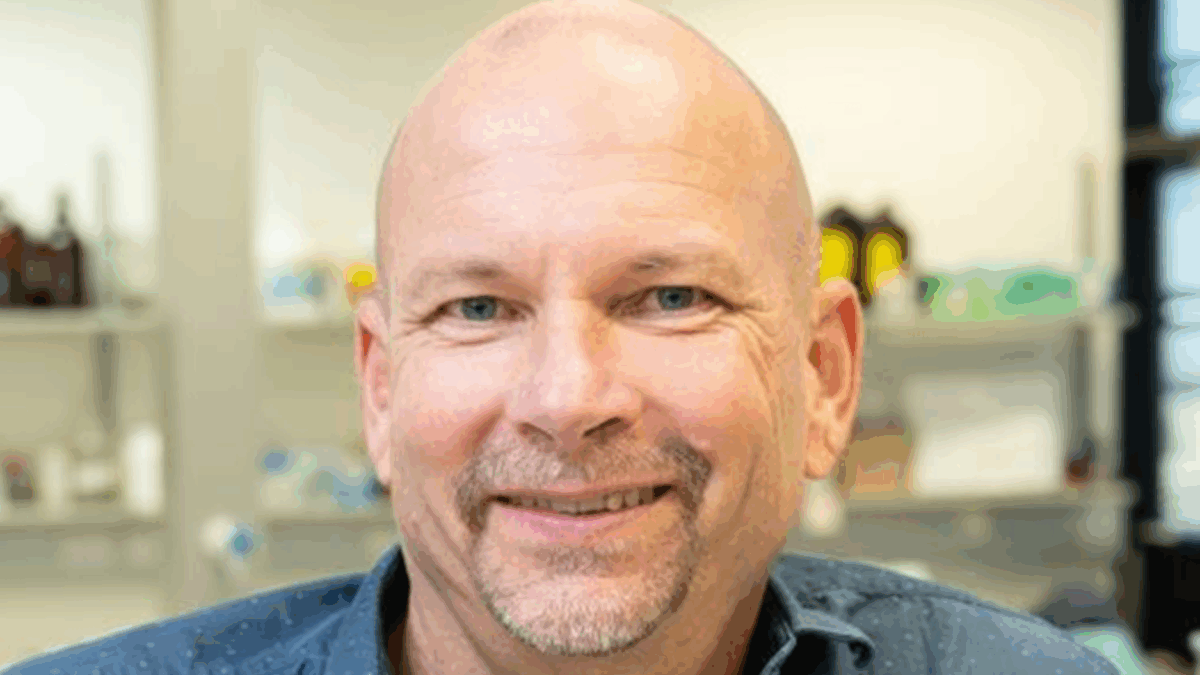
With a career spanning CSIRO leadership, international fieldwork and cutting-edge biosecurity science, Dr Rieks Van Klinken brings deep expertise and systems thinking to the National Fruit Fly Council. In this profile, he shares how data, collaboration and strategy are key to safeguarding Australia’s horticulture from fruit fly threats.
Please introduce yourself and tell us a bit about your education and career.
I’m a Brisbane boy, but I’ve also spent four years in Darwin working on invasive plants and a year in Bhutan with Australian Volunteers International.
I studied at the University of Queensland specialising in entomology and ecology, and completed a PhD on the evolutionary ecology of Drosophila. They aren’t quite the “true fruit flies” we know and love, but they make an excellent study system.That period also included time surveying invertebrates on sub-Antarctic Macquarie Island. I’ve been with CSIRO since 1996, working across biological control, ecology and the integrated management of invasive plants, as well as all aspects of biosecurity.
Where do you currently work and what is your role?
I work at CSIRO’s EcoSciences Precinct in Brisbane, where I lead research into the assessment and management of phytosanitary risks, as well as in digital biosecurity. This includes leading a multidisciplinary team within CSIRO, managing partnerships with all state and territory agencies, the Department of Agriculture, Fisheries and Forestry (DAFF), industry groups and the ag-tech sector, and collaborating with researchers at universities and overseas.
What does a typical day at the office look like for you?
A lot of meetings, but many of them are incredibly stimulating as we collectively progress both the science and its application. If I have spare moments, I work on a book that I committed to completing in 2026, titled Managing Phytosanitary Risks in a Modern World.
How does your role relate to biosecurity and, more specifically, fruit fly?
Most of my work focuses on developing and delivering the science needed to improve how we assess and manage phytosanitary risks, and fruit flies feature prominently in that space.We’re also working on the data side, finding better ways to harness the enormous amount of data already being collected on fruit flies and other pests. A key part of this is ensuring data owners retain control over their information and benefit from sharing it for broader analysis.
What motivates you to continue doing the work you do?
Seeing tangible progress, both domestically and internationally, is a major motivator. Positive and constructive feedback from collaborators, partners and colleagues also reinforces that what we’re doing is making a real difference.
What are you most proud of in the work you do?
Being part of a highly motivated team of researchers and collaborators who share the common goal of improving how phytosanitary risks are managed.
What is your vision for the future of the fruit fly system in Australia?
That we fully harness data, science and strong national collaboration to limit the impact of fruit flies on production and trade.
Tell us something we don’t know about you.
I play the cello as a side hustle.